The Palace That Ruled an Empire
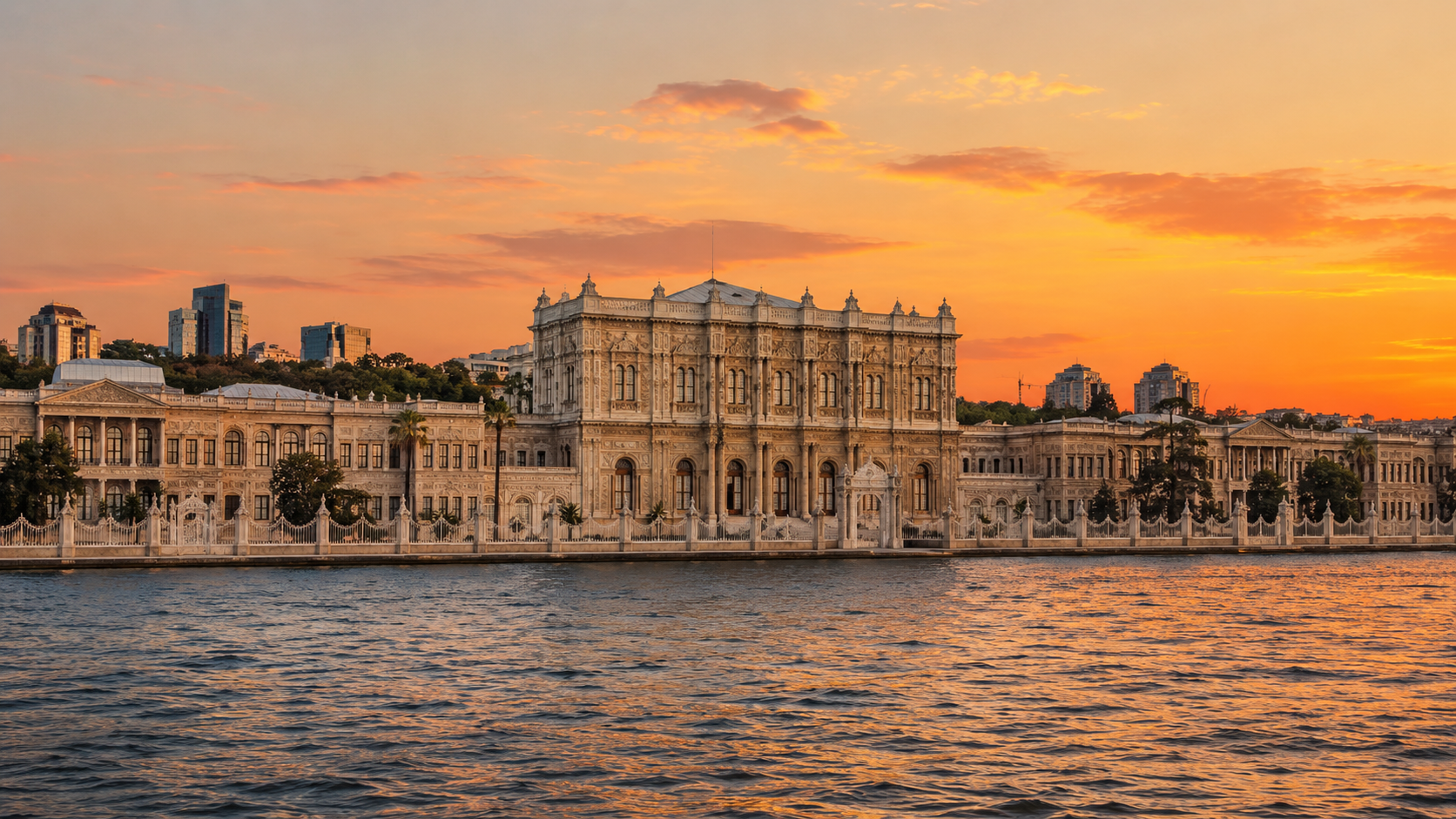
Topkapi Palace was the administrative and residential heart of the Ottoman Empire from the 1460s until 1856, when the court moved to the European-style Dolmabahçe. For nearly four centuries, Topkapi was where sultans lived, made laws, and commanded armies that stretched from Vienna to the Persian Gulf. Today it is one of the world's great palace museums, with over 3.5 million visitors annually.
The Four Courtyards
First Courtyard (Court of the Janissaries)
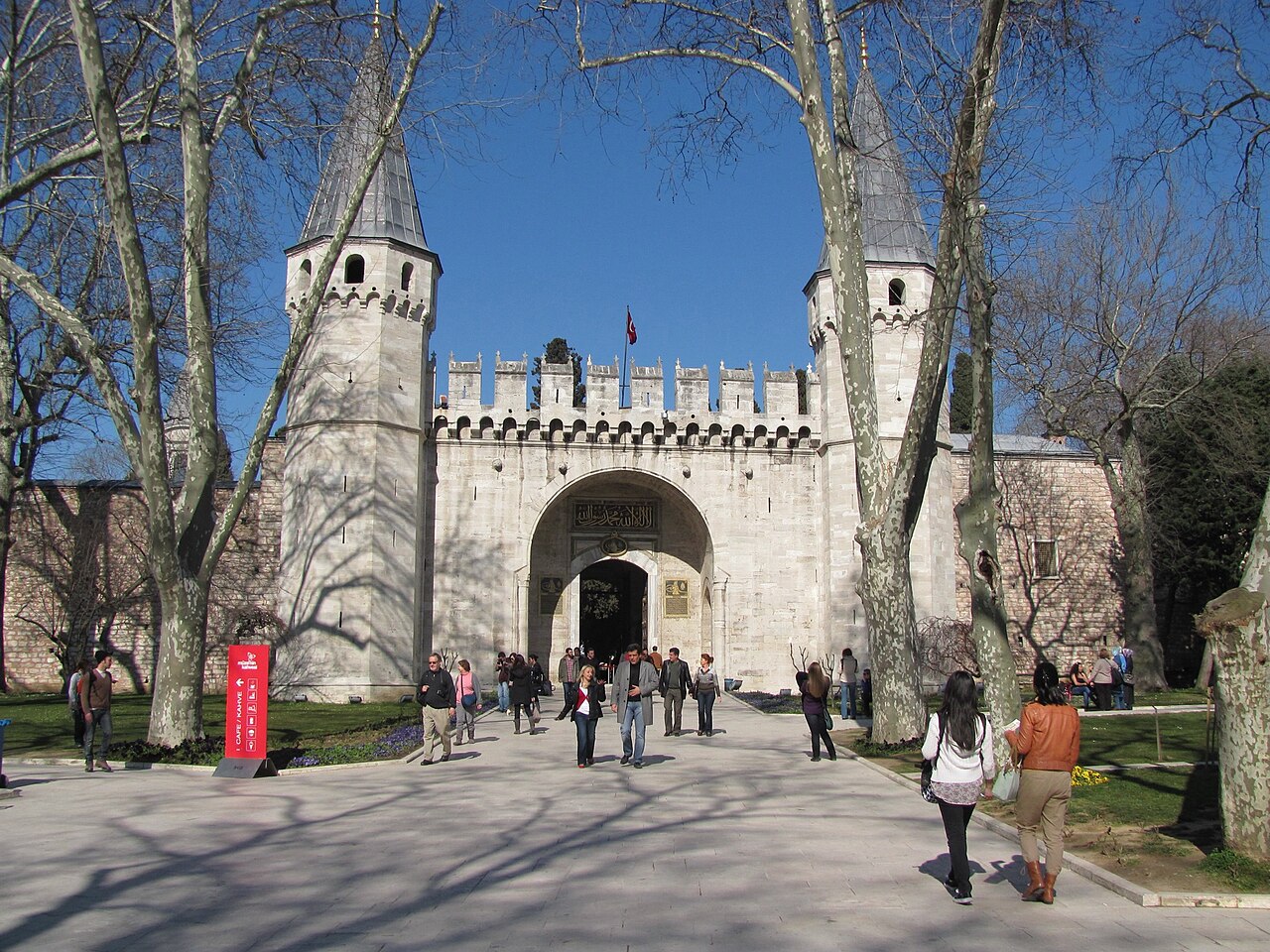
Entry is free through the Imperial Gate. This vast courtyard was open to the public in Ottoman times. It contains the Byzantine Church of Hagia Eirene, one of the oldest surviving churches in Istanbul.
Second Courtyard (Divan Meydanı)
This is where the Imperial Council (Divan) met to govern the empire. The Ottoman kitchens line the right side — now housing an impressive collection of Chinese and Japanese porcelain (over 12,000 pieces). The Gate of Felicity leads onward.
Third Courtyard (Enderun)
The sultan's private domain. Here you'll find the Imperial Treasury — the absolute highlight of any Topkapi visit. Among its treasures: the 86-carat Spoonmaker's Diamond, the solid gold Topkapi Dagger encrusted with three enormous emeralds, and the Throne of Nadir Shah.
Fourth Courtyard (Garden of Tulips)
The pleasure gardens where sultans relaxed, with kiosks offering views over the Bosphorus, Marmara Sea, and Golden Horn simultaneously — the finest panorama in Istanbul.
The Harem
The Harem requires a separate ticket and timed-entry slot. It is among the most fascinating parts of Topkapi — a city within a city, housing the sultan's family, concubines, the Valide Sultan (queen mother), and hundreds of eunuchs and servants. You'll walk through the Golden Road, the sultan's private apartments, the twin pavilions, and the pool terrace. Many rooms retain original 16th–17th century Iznik tile work.
Sacred Relics Pavilion
One of the most remarkable — and often overlooked — rooms in any museum. The Pavilion of Sacred Relics houses items attributed to the Prophet Muhammad, including his cloak, footprint, sword, and personal seal, as well as relics of biblical figures including Moses's staff and Abraham's cooking pot. Atmospheric, incense-filled, with Quranic recitation playing continuously.
Practical Tips
- Buy tickets online at the official museum site to avoid long queues at the gate.
- Budget time: Allow 3–4 hours for the palace; 1 more hour if visiting the Harem.
- Come early: The palace opens at 9 AM. The Treasury and Harem get very crowded by mid-morning.
- Closed Tuesdays.
- Audio guide or guide: The palace is enormous and context-free plaques leave much unexplained. A guided tour dramatically improves the experience.